
Why home Renovation Planning Starts Earlier Than You Think
A renovation often begins quietly. A room that no longer works. A house that feels slightly out of step with daily life. When the idea of renovating lands two years out, it can feel distant enough to postpone and close enough to cause unease.
In practice, the most consequential decisions tend to be made well before construction. We are speaking with homeowners, and many of the choices shaping those projects are happening long before drawings exist.
What follows are the questions that matter early, when the process is still flexible.
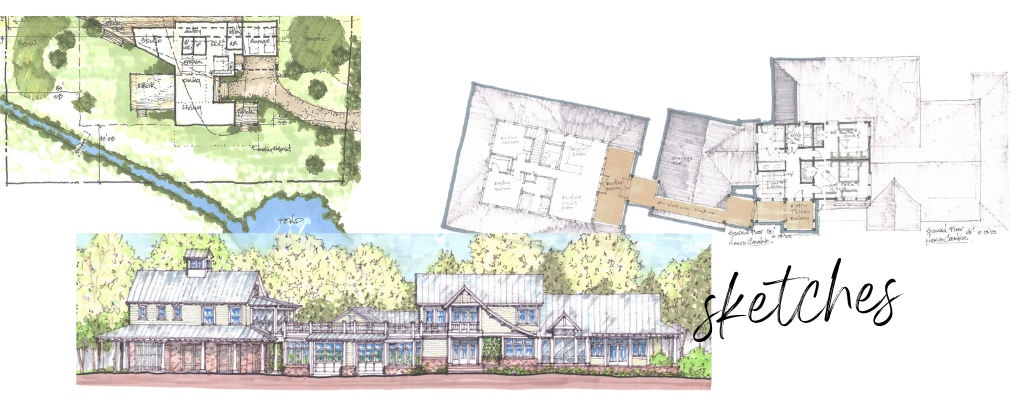
Most renovation outcomes are
determined before construction begins.
Design, feasibility, budgeting, and approvals frequently take as long as construction itself. In some cases, they take longer.
This early phase is where priorities are clarified, constraints are understood, and expectations are set. It is also where projects either gain clarity or accumulate risk.
Before square footage, before finishes, it helps to understand what the renovation is intended to accomplish.
Questions worth sitting with early:
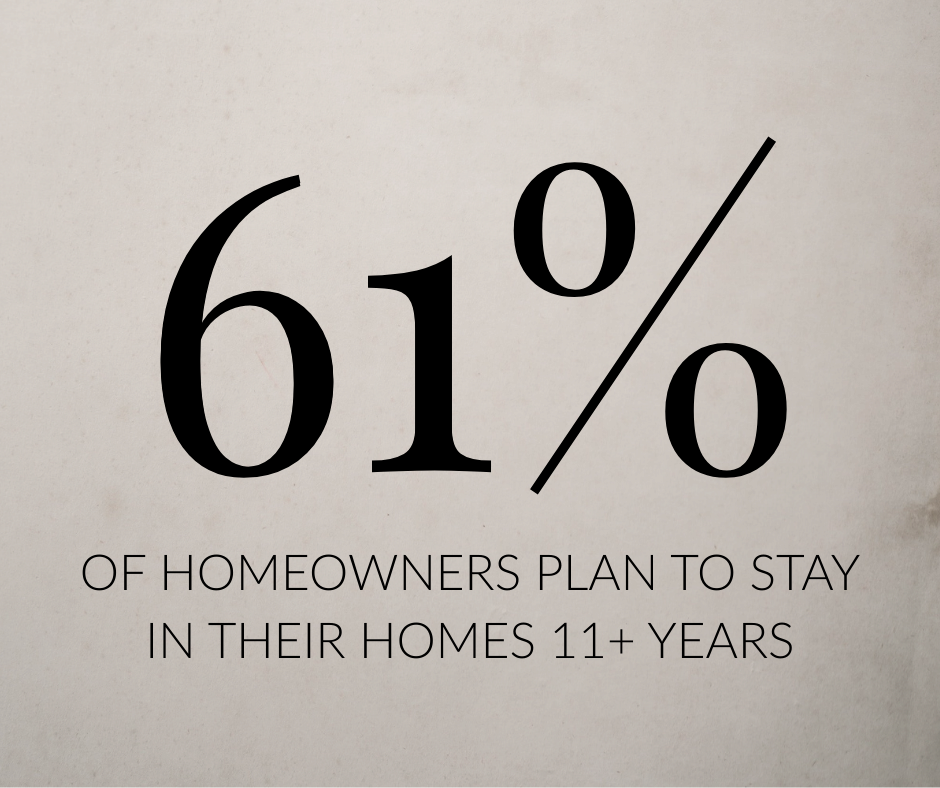
Is this a long-term home, a transitional one, or both?
How important is flexibility over time?
What aspects of the house are not serving daily life?
Clear priorities create a quiet discipline in the design process. They keep decisions aligned and reduce the tendency for scope to expand without intention.
Major renovations in the Hudson Valley often begin in the $250,000 range and more often exceed $500,000+.
While national data shows that major residential renovations often reflect lower costs than projects in our region, it is important to consider the realities of construction in the Hudson Valley and greater New York metropolitan area. Larger renovations routinely exceed $500,000+ and can quickly rise from there depending on scope and complexity.
Total project costs are not simply hard construction costs. In addition to site costs, foundations, walls, roofing, and building systems, project budgets should include soft costs such as design and construction documentation fees, municipal approvals, permit fees, utility connection costs, and financing expenses where applicable.
Understanding this context early is not about setting a budget prematurely. It is about aligning ambition with reality before momentum takes over. Early decision-making can help establish a realistic budget framework from the outset.
Every property has limits. Some are obvious. Others reveal themselves only through careful study.
Early feasibility work can reveal:
Zoning or setback limitations
Environmental conditions
Structural realities that influence layout or expansion
When these factors are understood early, design becomes more focused. Creativity works within reality rather than reacting to it later.
Permitting and review timelines vary
widely and are difficult to compress. each municipality is unique along with each state.
Municipal review and permitting processes differ by jurisdiction, but delays most often occur when constraints are identified late.
Early coordination reduces redesign and resubmission cycles, both of which carry cost and emotional weight.
Construction is only one chapter of a longer story. Planning, coordination, and approvals form the chapters that come before it.
Early planning allows for:
Alignment with municipal review cycles
Coordination among consultants
Scheduling decisions that feel measured rather than rushed
When timelines are realistic, the experience of the project changes. Decisions feel deliberate. Tradeoffs feel considered.
Homeowners now spend more time
planning renovations than in the past.
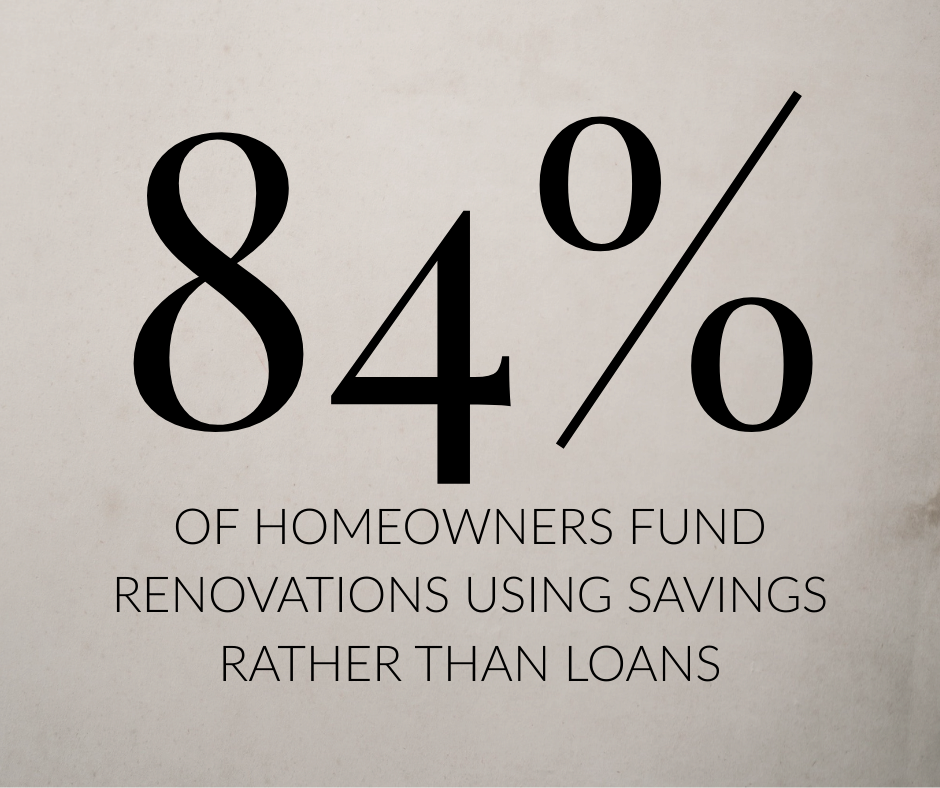
Industry surveys show that planning time for major renovations has increased, particularly for kitchens and whole-home projects. In many cases, planning time now rivals or exceeds construction time.
This shift reflects a desire for fewer surprises and better outcomes.
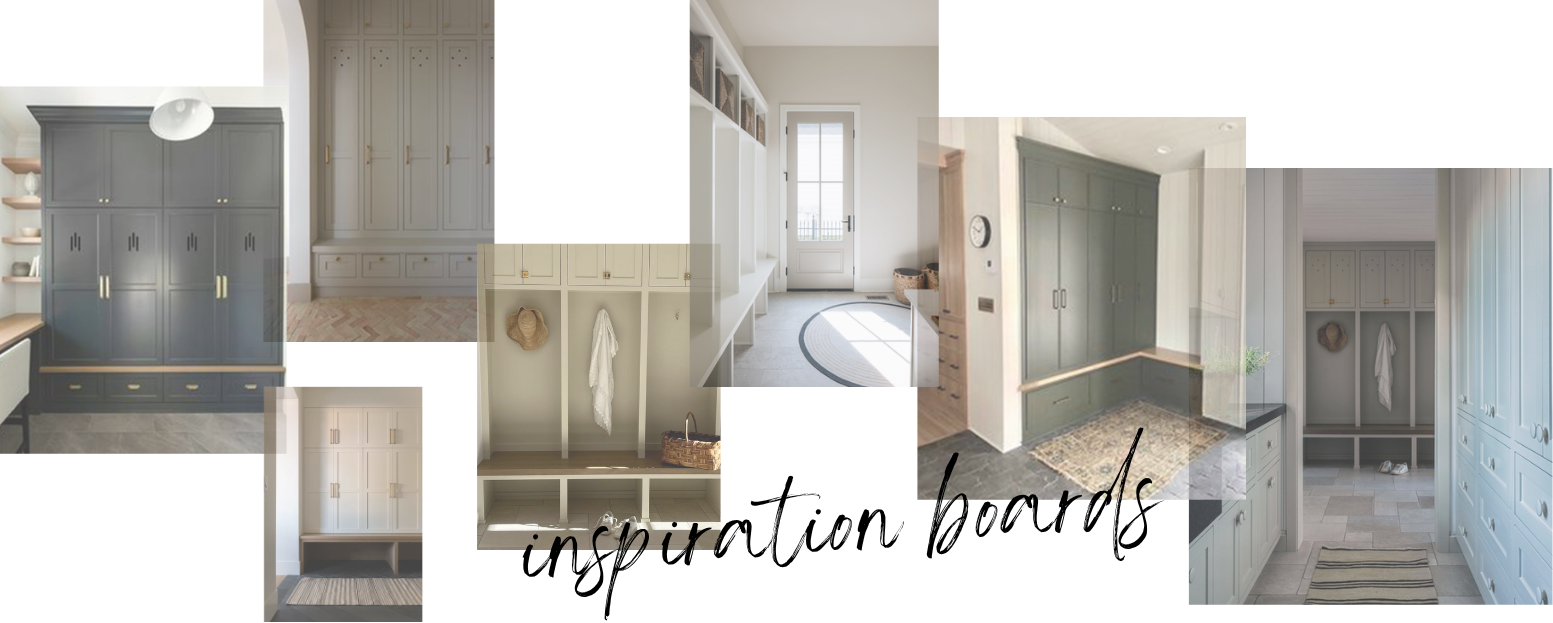
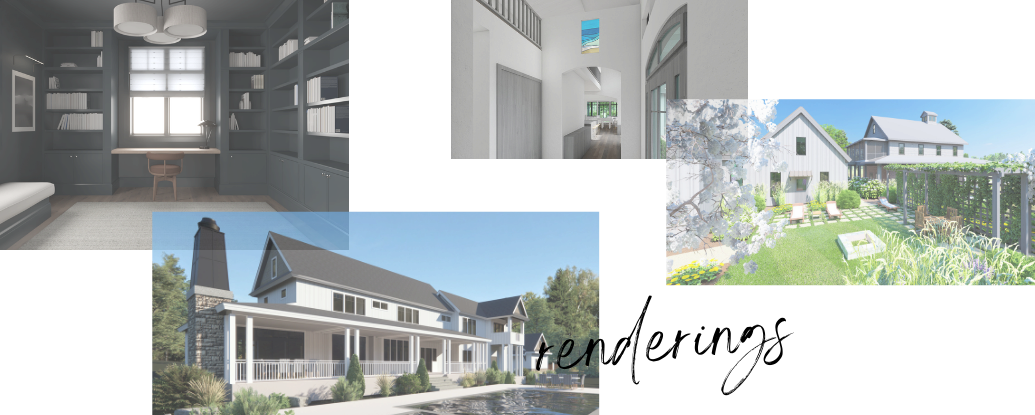
Inspiration has never been more accessible. From curated image libraries to AI-generated concepts, homeowners now have countless ways to explore ideas before a project begins. These tools are valuable, but they are not a plan.
Many homeowners are using AI to explore renovation ideas before meeting with a design professional. It is an excellent tool for generating inspiration and visualizing possibilities.
What AI cannot fully evaluate is how those ideas perform within the realities of a specific home. Layout, circulation, natural light, structure, and day-to-day functionality still require thoughtful design.
The best outcomes use AI as a starting point, not the final answer.
Early conversations should consider:
Flow and functionality
Light, acoustics, and comfort
How spaces adapt as needs change
How project timing influences consultant availability and overall scheduling
Design decisions rooted in lived experience tend to last longer than trends.
The same is true of timing. Starting the conversation during the summer often provides greater flexibility before the industry's busiest planning seasons, January through March and September through late November, when demand for design professionals tends to be at its highest.
Planning early does not mean committing early. It means allowing space for thoughtful decisions before urgency enters the conversation.
If you are considering a renovation or simply beginning to explore possibilities, now is an opportunity to orient the process rather than chase it.
We are always willing to talk through these early questions. Often, that conversation is where the real work begins.